
How Can I Determine the Right Size and Quantity of Moving Boxes Required?
By Xavier Lee, Denver’s Moving Boxes
Determining the right size and quantity of moving boxes is crucial for ensuring a smooth and efficient moving experience. Many individuals face the challenge of selecting the appropriate packing materials that will protect their belongings while optimizing space during transit. Accurately assessing moving box sizes and quantities can help alleviate the stress associated with moving. This article will guide you through the various box sizes available, how to calculate the number of boxes needed based on household size, and tips to maximize packing efficiency. Additionally, we'll explore how curated box kits can simplify your selection process and assist in a worry-free moving experience.
What Are the Standard Moving Box Sizes and Their Ideal Uses?
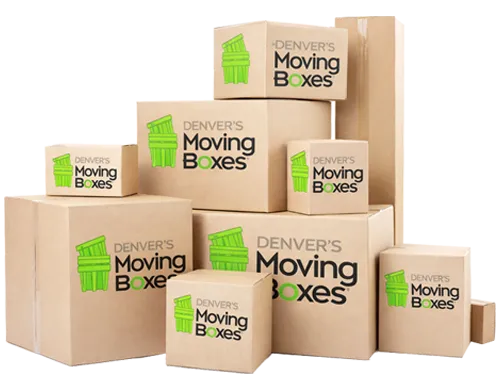
Understanding standard moving box sizes is essential for choosing the right box for different items. The most common moving box sizes include:
Small Boxes (1.5 cubic feet, 16"x12"x12"): Best suited for heavy items such as books or tools.
Medium Boxes (3.0 cubic feet, 18"x18"x16"): Ideal for kitchen supplies, smaller appliances, or toys.
Large Boxes (4.5 to 6.0 cubic feet, 24"x18"x18"): Great for bulkier, lighter items like bedding or clothing.
Extra-Large Boxes (6.0 cubic feet, 24"x24"x24"): Used for oversized items that need protection, such as comforters or pillows.
Wardrobe Boxes: Designed with a hanging rod, perfect for transporting clothes on hangers.
Dish Pack Boxes: Specially reinforced to protect fragile items such as dishes and glassware during transit.
Selecting the right box maintains the integrity of your items while maximizing space and protection during the move.
Which Box Sizes Are Best for Different Household Items?
Different household items require specific box sizes to ensure they are packed securely and efficiently. Below are recommendations for pairing box sizes with common household items:
Small Boxes: Best for heavy items like books, small appliances, or tools.
Medium Boxes: Suitable for kitchen items, toys, or clothing.
Large Boxes: Optimal for lightweight but bulky items like linens, pillows, or recreational equipment.
Wardrobe Boxes: Ideal for clothing and hanging items to prevent wrinkles.
Dish Pack Boxes: Specifically made for dishes, glassware, and other fragile items, ensuring they are correctly cushioned.
By using appropriate box sizes, you’ll facilitate a safer transport of your belongings, making the unpacking process more straightforward.
How Do Moving Box Dimensions Affect Packing Efficiency?
The dimensions of moving boxes significantly impact packing efficiency and the overall organization of your move. When selecting box sizes, consider the following:
Weight Distribution: Properly weighted boxes are easier to lift and manage, thereby reducing the risk of injury and items getting damaged during transport.
Space Optimization: Utilizing boxes that fit snugly within your moving vehicle minimizes wasted space and helps maintain balance while driving.
Packing Strategies: Utilizing a variety of box sizes allows for a more strategic packing approach. Group similar items within boxes to make unpacking more manageable.
Understanding how box dimensions correlate with packing methods can lead to a more organized and efficient moving process.
How Do I Calculate the Number of Moving Boxes Needed for Each Home Size?
Calculating the number of moving boxes required for your home involves considering the size of the residence and the number of items you possess. Below are estimates based on household types:
College Dorm: Approximately 10-15 boxes will suffice, focusing mainly on essentials and personal items.
1-Bedroom Apartment: Generally requires around 25-30 boxes, accommodating furniture, kitchen materials, and clothing.
2-Bedroom Home: Between 35-50 boxes are typically needed to pack standard household furniture and a larger supply of personal items.
3-Bedroom Home: Expect to need around 60-75 boxes to account for increased furniture and belongings that come with larger living spaces.
These estimates can be adjusted based on individual needs and specific items that require special care or packing.
What Is the Average Box Count for College Dorms, Studios, and 1-Bedroom Apartments?
When moving out of a college dorm, studio, or 1-bedroom apartment, efficiency is key. Here’s the average box count typically required:
College Dorm: 10-15 boxes are usually sufficient for personal items, clothes, and a few kitchen essentials.
Studios: Generally, about 15-25 boxes are needed to account for personal belongings and small furniture.
1-Bedroom Apartment: Expect an average of 25-35 boxes to adequately pack all items, including kitchen supplies and bedding.
These standards provide a baseline for preparing your moving supplies.
How Many Boxes Does a 2-Bedroom or 3-Bedroom Home Typically Require?
Packing a 2-bedroom or 3-bedroom home involves a larger volume of belongings, thus requiring more boxes:
2-Bedroom Home: On average, expect to use between 35-50 boxes. Consider the size and weight of items to ensure safety during transport.
3-Bedroom Home: A total of 60-75 boxes is usually required, taking into account the added furniture and items in living spaces.
These averages can help streamline your packing process and reduce excess clutter while you prepare for your move.
What Do Moving Box Kits Include and How Do They Simplify Box Selection?
Moving box kits are curated packages designed to simplify the packing process by appropriately sizing boxes according to the needs of specific household types. These kits typically include:
A variety of box sizes: small, medium, large, and specialized boxes for fragile items.
Packing materials: tape, markers for labeling, and packing paper for cushioning.
Guidelines for efficient packing techniques.
By offering curated selections, moving box kits alleviate the decision-making process, making them a convenient option for those preparing for a move.
Which Box Types and Quantities Are Included in Denver’s Moving Box Kits?
Denver's Moving Boxes offers tailored box kits to meet various household needs. Here’s a brief overview of what these kits generally include:
College Dorm Kit: Typically contains 10-15 boxes plus packing materials, perfect for students on the go.
1-Bedroom Kit: Features 25-30 boxes, accommodating essential items required for transitional living.
2-Bedroom Kit: Comprises 35-50 boxes for more substantial packing requirements as families expand.
The conveniently arranged kits enable a focused packing strategy and help avoid over purchasing.
How Can Box Kits Improve Packing Speed and Reduce Decision Paralysis?
Box kits designed for moving provide several advantages that promote efficiency:
Pre-Selection: Removing the guesswork from box selection saves valuable time and reduces stress during preparations.
Organized Packing: With all necessary supplies included, packing becomes more systematic and less chaotic.
Cost-Effectiveness: By bundling items, moving kits can often save money compared to purchasing boxes individually.
Utilizing these kits helps streamline the moving process, leading to faster completion and reduced anxiety.
What Packing Tips Help Optimize Box Use and Protect Fragile Items?
To optimize box use and ensure fragile items are protected, consider the following packing tips:
Wrap Fragile Items: Use padding or bubble wrap for delicate items before placing them in boxes to minimize damage.
Label Boxes Clearly: Appropriate labeling aids in easy identification during unpacking, reducing the chance of careless handling.
Maintain Weight Limits: Ensure heavier items are placed in smaller boxes to avoid breaking them or causing strain when lifting.
Implementing these strategies can maximize the efficacy of your moving boxes, ensuring protection and efficiency.
How Should Fragile Items Be Packed Using Different Box Sizes?
Packing fragile items requires careful consideration of suitable box sizes and materials. Here’s how to effectively pack them:
Small Boxes: Use these for heavier fragile items like glassware and figurines wrapped in bubble wrap for added protection.
Medium Boxes: Ideal for lightweight but fragile items like vases or kitchen ceramics, ensuring items are packed snugly to prevent shifting.
Dish Pack Boxes: Best for dishes and fine glassware; these reinforced boxes can hold dish pack dividers to separate items and minimize movement during transport.
Selecting appropriate boxes and packing techniques significantly contributes to the safety of fragile belongings.
What Packaging Supplies Complement Moving Boxes for Secure Transport?
In addition to boxes, proper packaging supplies enhance the safety of your belongings during a move. Key supplies include:
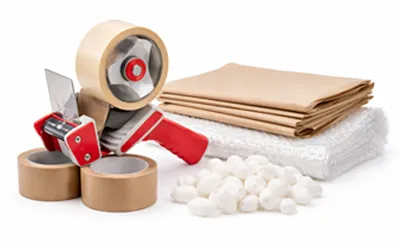
Packing Tape: Essential for securing box flaps and ensuring a tight closure.
Bubble Wrap: Ideal for cushioning fragile items and preventing breakage.
Markers: Useful for labeling boxes clearly, facilitating easier identification upon arrival.
These additional supplies provide an extra layer of protection and organization during your move.
How Can I Choose Sustainable and Durable Moving Boxes?
When selecting moving boxes, consider eco-friendly options for a sustainable approach. Here are guidelines for choosing durable boxes:
Recyclable Materials: Opt for boxes made from 100% recycled cardboard to minimize environmental impact.
Thick Walls: Look for double-walled boxes, which offer more durability and protection for your items.
Reusable Options: Consider investing in reusable moving boxes, which can be employed multiple times across different moves.
Selecting sustainable materials aligns your packing approach with environmental responsibility while ensuring your belongings remain safe.
What Are the Benefits of Reusable Moving Boxes Versus Cardboard?
Choosing reusable moving boxes offers several advantages over traditional cardboard boxes:
Durability: Reusable boxes are designed to withstand more weight and stress during transport, offering greater protection.
Environmental Impact: These boxes reduce waste compared to single-use cardboard, contributing to environmental sustainability.
Cost Savings: Investing in reusable boxes can save money over time, especially for frequent movers.
Understanding these benefits assists in making informed choices about packing materials.
How Does Box Weight Limit Influence Selection for Heavy or Fragile Items?
When selecting moving boxes, it's essential to be mindful of weight limits, especially for heavy or fragile items. Consider the following:
Weight Capacity: Each box size has an optimal weight limit; exceeding these limits can risk damage to the box or its contents during transport.
Best Practices: Heavier items should be packed in smaller boxes to distribute weight effectively and maintain ease of lifting.
Fragile Considerations: Use proper cushioning and padding within boxes to mitigate the risks associated with heavier fragile items.
By adhering to weight guidelines, you can ensure that both your boxes and belongings remain intact throughout the moving process.
What Are the Ordering and Delivery Options for Moving Boxes in Denver?
Denver's Moving Boxes provides flexible ordering and delivery options for their products. Customers can visit the local distribution point for pickup or arrange for delivery for convenience. The physical address is:
2420 S Delaware St, Denver, CO 80223.
Offering both pickup and delivery ensures that customers can select the method that best suits their schedules, facilitating a smoother transition to their new homes.
How Can Customers Purchase Individual Boxes or Complete Kits Locally?
For those looking to purchase moving supplies, Denver's Moving Boxes offers both individual boxes and complete kits tailored to various household needs. Customers can visit the designated address for in-person purchasing or inquire about online ordering options. These flexible purchasing methods cater to a range of packing requirements while ensuring accessibility to packaging supplies.
What Delivery Timelines and Options Are Available for Moving Box Orders?
Customers can expect timely delivery when ordering moving supplies through Denver's Moving Boxes. Delivery options may vary based on order size and location.
Understanding the delivery timelines helps customers plan accordingly and ensures that all necessary supplies are in place ahead of the moving date.
What Frequently Asked Questions Help Clarify Moving Box Size and Quantity Choices?
Common inquiries regarding box sizes and quantities can significantly help individuals during their moving planning. Here are several frequently asked questions:
What size boxes are best for packing clothes? Small and wardrobe boxes work best for clothing to ensure they remain wrinkle-free.
How many boxes do I need for a studio? Generally, 15-25 boxes suffice for a studio apartment, depending on personal belongings.
What should I know about packing fragile items? Use adequate cushioning materials and appropriate box sizes to ensure safety during transport.