
How to Pack Moving Boxes Like a Pro

How to Pack Moving Boxes Like a Pro

June 03, 202613 min read

By Xavier Lee, Denver’s Moving Boxes

Packing efficiently is essential for a smooth and stress-free moving experience. Whether you

are transitioning to a new home or simply reorganizing your space, knowing how to pack moving boxes like a pro can save you time, effort, and potential damage to your belongings. In this guide, we will explore the best techniques and materials for efficient packing, allowing you to streamline your moving process. With practical tips and strategies, readers will learn how to select appropriate box sizes, utilize packing materials effectively, and organize their items for easy unpacking. We will delve into various packing methods, the essential tools needed, and how to cater to specific items, ensuring nothing is overlooked in this crucial step of moving.

This article is structured around essential techniques, necessary materials, and strategic tips for packing specific items. By following these guidelines, you’ll find the packing process not only manageable but actually enjoyable.

Techniques for Efficient Packing

Efficient packing techniques can significantly reduce the stress associated with moving. One key method is decluttering before you start the packing process. This helps ensure that you only pack what you truly need, making your move more streamlined. Additionally, it's important to use appropriate box sizes for different items; larger items should go in larger boxes, while smaller items fit best in smaller boxes. Labeling each box clearly is also vital; it saves time when unpacking and helps prevent confusion.

Using these techniques not only makes for an organized move but also minimizes the risk of damage to your belongings during transport.

Materials Needed

Having the right materials on hand can make packing more efficient and effective. Essential packing materials include:

  • Moving Boxes: Various sizes—small, medium, and large—are needed to accommodate different items.

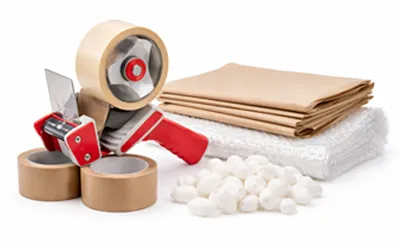
  • Cushioning Materials: Bubble wrap, packing peanuts, or newspapers protect fragile items.

  • Sealing Tools: Strong packing tape and scissors are crucial for securing boxes.

Ensuring that you have a sufficient supply of these materials will set the groundwork for a successful packing experience.

Tips for Packing Specific Items

Every item in your home may require a different packing approach. Here are some tips for packing specific types of items:

  • Fragile Items: For delicate items like glassware and ceramics, wrap each piece individually with bubble wrap and place them in cushioned boxes to prevent breakage.

  • Electronics: Use original boxes if available, or wrap items securely in bubble wrap and pack them in sturdy boxes. Make sure to remove batteries to prevent corrosion during storage.

  • Books: Pack books vertically like files rather than stacking them to avoid damage. Use small boxes to keep the weight manageable.

These packing strategies help ensure all your valuable items are protected and organized for the moving process.

Additional Packing Strategies

In addition to the primary packing techniques and materials, several advanced strategies can enhance your packing process:

  1. Create an Essentials Box: This should contain items you'll need right away, such as toiletries, basic utensils, and some clothes, making your first night in a new home more comfortable.

  2. Maintain an Inventory List: Keep track of what you have packed in each box by creating a detailed list. This will help during the unpacking phase.

  3. Start Packing Early: Begin your packing process weeks in advance. This avoids the last - minute rush and reduces anxiety.

These approaches not only streamline the packing process but also facilitate a smoother transition into your new home.

Eco-Friendly Options

As sustainability becomes increasingly important, consider eco-friendly packing options.

Utilizing biodegradable packing materials, such as recycled boxes and compostable packing peanuts, significantly reduces your environmental impact. Furthermore, reusing boxes and packaging materials, such as bubble wrap or old newspapers, minimizes waste. When sourcing new supplies, look for companies that offer sustainable packaging solutions, as this choice not only benefits the planet but can also be cost-effective.

Which Moving Box Types and Sizes Are Best for Different Home Spaces?

Selecting the right moving box types and sizes is crucial based on the layout of your home. For example:

  • Studio Apartments: Small to medium boxes work best for both lightweight items and heavier goods like books.

  • Larger Homes: Moving larger furniture often requires extra-large boxes or specialized crates.

  • Multi-Bedroom Homes: This scenario usually benefits from a combination of all box sizes to accommodate various types of belongings.

Understanding how to adapt your choice of boxes based on your living situation plays a pivotal role in an efficient moving process. For studio apartments, a studio moving box kit can be incredibly beneficial.

How to Choose Moving Boxes Based on Home Size and Item Types

When choosing moving boxes, consider both the size of your home and the type of items you are packing. Begin by assessing the space you have and the volume of your belongings. For delicate items, such as artwork and collectibles, specialty boxes with additional cushioning are beneficial. Conversely, bulk items such as linens and clothing can often be packed into larger containers. This targeted approach to selecting boxes ensures that you protect your items appropriately while making the most efficient use of space.

What Materials and Sizes Are Included in Professional Moving Box Kits?

Professional moving box kits typically include an assortment of boxes in various sizes to meet diverse packing needs. A standard kit may contain:

  • Small Boxes: Ideal for heavier items like books.

  • Medium Boxes: Perfect for kitchenware and larger décor items.

  • Large Boxes: Suitable for bulky items, such as bedding and clothing.

  • Specialty Boxes: Designed for fragile or unique items like artwork or electronics.

These kits simplify the packing process by providing a comprehensive range of boxes tailored for different types of belongings while ensuring your items are well-protected.

What Are the Best Packing Materials for Protecting Your Items?

Choosing the best packing materials is essential for safeguarding your possessions during a move. Key materials include:

  • Bubble Wrap: Excellent for cushioning fragile items.

  • Packing Paper: Ideal for wrapping delicate glasses and ceramics.

  • Foam Peanuts: Great for filling empty spaces in boxes to prevent movement during transit.

Utilizing these materials effectively can make a big difference in preserving the integrity of your belongings throughout the moving process.

How to Use Bubble Wrap, Tape, and Eco-Friendly Packing Materials Effectively

Proper use of packing materials not only protects your belongings but also maximizes box space. When using bubble wrap, wrap items securely and ensure that bubbles face inward to absorb shocks. For sealing boxes, utilize high-quality packing tape to prevent boxes from popping open during transport. As for eco-friendly options, explore biodegradable packing tape and recycled materials to minimize your environmental footprint.

Which Packing Materials Work Best for Fragile versus Non-Fragile Items?

Understanding the packing material requirements for different items can greatly enhance protection. For fragile items, cohesive wrapping with multiple layers of bubble wrap or packing paper is essential. Consider cushioning with additional protective materials, like foam corners for frames. In contrast, non-fragile items, such as clothing, can be packed loosely in boxes without the need for extensive protection. This dual approach allows for better organization and ease of access.

What Are Step-by-Step Efficient Packing Techniques to Save Space and Time?

Adopting step-by-step packing techniques can lead to more organized relocation. The following procedure can help streamline your efforts:

  1. Declutter Before You Pack: Go through each room and decide what you'll keep or donate.

  2. Organize Packing Supplies: Gather boxes, tape, and cushioning materials in one place to avoid searching during packing.

  3. Pack Room by Room: Focus on one area at a time to stay organized and avoid mixing items across rooms.

  4. Label Accordingly: As you pack, label each box with its contents and destination room to speed up unpacking.

These techniques not only promote an efficient packing process but also assist in ensuring a smooth transition into your new home.

How to Pack Moving Boxes Efficiently Using Space- Saving Methods

Utilizing space-saving methods can optimize the efficiency of your packing process. Techniques include:

  • Filling Gaps: Use clothing or towels as cushioning material to fill empty spaces within boxes.

  • Maximizing Vertical Space: Stack items neatly and vertically within boxes rather than piling them horizontally, creating extra space.

  • Flattening Items: For soft items like bedding, flattening them into bags can help save space within boxes.

Employing these strategies will help maintain organization while maximizing your space in each box.

What Are Professional Tips for Organizing Moving Boxes for Easy Unpacking?

After an organized packing process, organizing boxes for unpacking is crucial. Effective strategies include:

  1. Categorized Boxes: Create specific boxes for each room or category of items.

  2. Use Clear Labels: Mark boxes with the room they belong to and include a brief list of contents.

  3. Color-Coding: Utilize colored markers or stickers to categorize boxes by room, making identification easier during unpacking.

Implementing these techniques ensures a stress-free unpacking process as you transition into your new living space.

How Do You Pack Fragile Items Safely for Moving?

Packing fragile items requires special care and attention. Effective methods include:

  • Wrap Individually: Each fragile item should be wrapped separately in bubble wrap or packing paper to prevent collision damage.

  • Box with Caution: Use sturdy boxes with plenty of cushioning and avoid overloading them with heavy items alongside delicate ones.

  • Label as Fragile: Clearly mark boxes containing fragile items to ensure careful handling during transport.

Using these methods will help guarantee the safe arrival of your most delicate belongings.

Which Techniques Best Protect Fragile Items Inside Moving Boxes?

There are several effective techniques that help protect fragile items during a move:

  • Cushioning Layers: Use ample cushioning, ensuring that fragile items are surrounded by packing materials to absorb shocks.

  • Box Dividers: Employ box dividers for items such as bottles or glassware to prevent movement during transit.

  • Proper Sealing: Ensure that boxes are well-sealed with packing tape to avoid accidental openings during transport.

These techniques ensure fragile items maintain their integrity throughout the moving process.

How to Label Fragile Boxes Clearly to Prevent Handling Damage?

Effective labeling techniques are vital for protecting fragile items during a move. Ensure your labels include:

  • Designation: Clearly state "Fragile" in large lettering on multiple sides of the box.

  • Color-Coding: Use color-coded labels that stand out to quickly inform movers about delicate items.

  • Contents Summary: Include a brief description of the item's contents to inform handlers of its sensitivity.

Adopting these strategies will contribute significantly to the careful handling of your fragile items.

How to Label and Organize Moving Boxes for a Stress-Free Move?

Efficient labeling and organization are key for a smooth moving experience. Strategies include:

  • Maintain an Inventory: Keep a detailed inventory of each box’s contents to streamline the unpacking process.

  • Room-Based Labels: Design labels based on the room where items will go, allowing for easier organization.

  • Include Essential Information: In addition to contents, noting if items are fragile can help prioritize careful handling.

Through proper labeling and organization, you can significantly reduce the potential for confusion during your move.

Which Moving Box Kits Should You Select for Different Moving Scenarios?

Finding the right moving box kits can simplify the packing process tailored to your specific needs. For college students, a college dorm moving box kit is specifically designed to transport essentials efficiently.

  • Standard Kit: Great for general residential moves, containing a variety of box sizes.

  • College Kit: Tailored for university students, including lightweight boxes for transporting essentials.

  • Specialty Kit: For moves involving artwork or specific fragile items which require additional protection.

Choosing the appropriate kit ensures that you have the right materials for the type of move you’re undertaking.

How Do Moving Box Kits Cater to Varied Home Sizes and Item Loads?

Moving box kits are designed to meet a variety of needs based on home sizes and item loads. For example:

  • Small Retrofits: Kits designed for apartments often include smaller boxes to accommodate limited space but generally contain enough to cover kitchen items

  • Family Moves: Kits for larger households provide ample boxes catering to significant loads such as linens, books, and kitchenware.

  • Customization Options: Many suppliers allow customers to tailor kits according to specific household measurements or quantity of items to ensure all essentials are met.

This adaptability means that regardless of your move size, there is a suitable box kit available to make the process easier.

What Advantages Do Curated Kits Offer Over Individual Box Purchases?

Opting for curated moving box kits presents several advantages over purchasing boxes individually. Highlights include:

  • Cost-Effectiveness: Bundling boxes often reduces overall costs compared to buying items one at a time.

  • Convenience: Selecting a kit simplifies the shopping process, ensuring you have all the necessary boxes and materials in one purchase.

  • Organizational Benefits: Curated kits are designed to meet diverse packing needs, promoting better organization during your move.

These advantages make curated kits an appealing option for anyone preparing for a move.

Additional Professional Packing Tips and Common FAQs

In this section, we gather key professional packing tips and frequent inquiries:

  • Common Questions: Questions often arise regarding what materials are necessary or the ideal timeline for packing.

  • Last-Minute Packing Tips: Always have a go-to bag of essentials ready as the move date approaches.

  • Overall Moving Advice: For smoother transitions, maintaining clear communication with any moving service ensures all parties are aligned.

These insights empower individuals to pack with confidence, knowing they have all necessary information at their disposal.

How Can Visual Diagrams and Checklists Improve Your Packing Process?

Visual aids like diagrams and packing checklists provide immense utility during the moving process. These tools can facilitate:

  • Clarity: A checklist ensures that nothing is missed, allowing for a sequential approach to packing.

  • Visualization: Diagrams help visualize how to best pack boxes for maximum space efficiency.

  • Organization: Having a structured plan minimizes stress by breaking the packing task into manageable chunks.

Using visual tools aligns everyone involved in the process, providing clear objectives and enhancing packing efficiency.

How Are Eco-Friendly and Modular Packing Trends Shaping Moving Practices?

The rise of eco-friendly and modular packing solutions has reshaped how moves are conducted. These practices emphasize:

  • Sustainability: Eco-friendly options prioritize biodegradable and reusable materials, minimizing waste.

  • Modular Designs: Modular packing solutions allow items to be packed more strategically, facilitating better space utilization and organization.

  • Consumer Awareness: As environmental impact becomes a more pressing concern, consumers are increasingly seeking sustainable moving practices that align with their values.

This shift towards eco-consciousness not only supports environmental stewardship but enriches the overall moving experience.

Why Choose Sustainable Packing Materials and Kits for Your Move?

Choosing sustainable packing materials offers numerous advantages, including:

  • Environmental Benefits: Opting for recyclable and compostable options decreases landfill waste.

  • Material Durability: Many eco-friendly products are designed to be robust and reliable, making them a practical choice.

  • Long-Term Savings: While initial costs may vary, sustainable materials often provide cost savings over time through reusability and durability.

These factors illustrate why selecting sustainable options is a wise choice during relocation.

How Do Modular Kits Maximize Space Efficiency in Moving Boxes?

Modular kits enhance packing efficiency by providing structurally sound options designed to optimize space. These benefits manifest through:

  • Adjusted Dimensions: Modular boxes fit together seamlessly, reducing empty space during transport.

  • Diverse Uses: Capable of accommodating various item types, modular designs can easily be repurposed for future moves or storage.

  • Space-Relevant Strategies: Tailored stacking and placement methods ensure that no space goes unutilized.

Harnessing the potential of modular kits can lead to a more organized and efficient packing experience.

Back to Blog