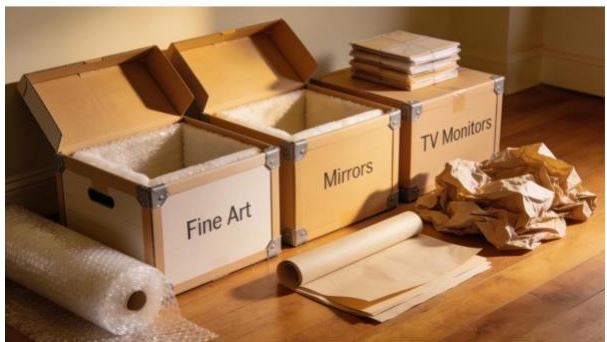
How to Pack Fine Art, Mirrors, and TV Monitors: Specialty Box Protection Guide
By Xavier Lee, Denver’s Moving Boxes
Packing delicate items such as fine art, mirrors, and TV monitors requires careful consideration to ensure their protection during transportation. These items are inherently fragile and can easily become damaged if not packed correctly. In this guide, we'll explore essential packing techniques and materials for safely moving your valuable belongings. Whether you're a seasoned mover or facing this task for the first time, knowing how to choose the right specialty boxes can significantly impact the safety of your items. We'll discuss the risks these fragile items face, the best materials to use, techniques for packing, and where to find complete moving kits tailored to this purpose.
Why is Specialty Packing Essential for Fine Art, Mirrors, and TV Monitors?
Specialty packing is crucial to protect delicate items during a move. The inherent design of fine art, mirrors, and TV monitors makes them particularly susceptible to damage from impacts, vibrations, and environmental factors.
What Risks Do Fragile Items Face During Moving?
Fragile items face numerous risks during moving, such as impact damage and environmental exposure. Statistics indicate that approximately 25% of all claims for damage during transportation involve fragile items. Items like mirrors can crack, while artworks can suffer tears or severe scratches if not properly packed. In addition to physical risks, mishandling during loading or transit may lead to irreparable damage, emphasizing the importance of adequate packing methods.
How Do Specialty Boxes and Materials Provide Better Protection?
Specialty boxes and packing materials are designed to enhance protection through better fitting and cushioning. Using custom-sized boxes ensures that items fit securely within, minimizing movement. Additionally, materials such as bubble wrap and packing paper cushion items, absorbing shocks and preventing jostling. Specialty boxes often feature reinforced corners and dividers, providing extra support and protection against impacts. This tailored approach reduces the likelihood of damage, making specialty packing indispensable when transporting valuables.
What Are the Best Packing Materials for Fine Art, Mirrors, and TV Monitors?

Selecting the right packing materials is key to ensuring the safety of your delicate items. Various materials offer distinct benefits, tailoring protection to specific types of items.
Which Fine Art Packing Materials Ensure Maximum Safety?
When packing fine art, consider using the following materials for maximum safety:
Bubble Wrap: Provides flexible cushioning to absorb shocks during transport.
Packing Paper: Prevents surface scratches and is ideal for wrapping fragile items.
Cushioning Materials: Foam peanuts or air pillows can fill empty spaces in boxes, further securing items.
Using a combination of these materials enhances overall protection, ensuring your art arrives at its destination safely.
What Specialty Boxes Work Best for Moving Mirrors and TV Monitors?
When transporting mirrors and TV monitors, the following specialty boxes are recommended:
Mirror Boxes: Designed to fit mirrors snugly, these boxes prevent movement and impacts.
TV Boxes: Specific sizes accommodate different models, often featuring padding for added security.
Flat Panel Box Kits: These kits often come with custom foam inserts, providing maximum protection against jostling.
Using the appropriate box type tailored to the size and shape of the item significantly reduces the risk of damage during the move. For various residential needs, explore studio and 1-bedroom moving box kits.
How Do You Pack Fine Art Safely Using Specialty Boxes?
Successfully packing fine art requires careful attention to detail. Utilize specialty boxes that offer the right fit and protection.
What Are the Step-by-Step Techniques for Fine Art Packing?
Here’s a step-by-step guide for packing fine art:
Gather Materials: Collect bubble wrap, packing paper, and a suitable specialty box.
Wrap the Artwork: Start by wrapping the art piece in packing paper, followed by bubble wrap for cushioning.
Secure the Wrap: Tape the bubble wrap securely to prevent it from coming loose.
Place in Box: Position the wrapped artwork in the center of the specialty box, ensuring a snug fit without pressure.
Seal the Box: Close and tape the box securely, labeling it as fragile.
Following these steps will help prevent damage during transit and ensure your artwork arrives safely.
Which Local Product Kits Include Specialty Art Packing Materials?
Looking for local kits? Many providers offer comprehensive art packing kits that include
specialty packing materials, perfect for those in a rush. These kits typically contain bubble wrap, packing tape, and specialty boxes. By purchasing a complete kit, you streamline the packing process, ensuring you have everything needed while also allowing for a more organized move.
How Should You Pack Mirrors to Prevent Damage During Moving?
When packing mirrors, specific practices can vastly improve safety and prevent damage.
What Are Essential Mirror Packing Tips and Box Options?
Here are some essential tips for packing mirrors effectively:
Use Bubble Wrap: Wrap the entire mirror with bubble wrap to provide cushioning.
Vertical Positioning: Pack mirrors vertically rather than flat, as this reduces pressure and risk of cracking.
Box Selection: Use custom mirror boxes that fit the mirror without significant empty space.
Implementing these tips can greatly reduce the chances of breaking mirrors during transit.
How Do Specialty Mirror Boxes Protect and Cushion Fragile Glass?

Specialty mirror boxes are designed with protective features that enhance their capacity to safeguard fragile glass. These boxes offer reinforced corners and padded interiors to cushion impacts. Their specific sizing allows for snug fitting, preventing movement within the box, which
is crucial for avoiding breakage. Such design elements make specialty mirror boxes indispensable for those planning to move delicate mirrors. Consider college dorm moving box kits for smaller moves.
What is the Best Method to Pack TV Monitors and Electronics for Moving?
Packing TV monitors and electronics requires specialized techniques to avoid damage from shocks and jostles.
How Do You Use Anti-Static and Foam Materials for TV Packing?
Utilize anti-static materials when packing electronics to prevent damage from static electricity. Here's how to do it:
Use Anti-Static Bags: Encase the electronic components in anti-static bags to prevent static buildup during transit.
Foam Inserts: Place foam inserts or cushioning materials around the monitors within the box to absorb shocks.
Secure Packaging: Ensure the monitor is tightly secured within the packing box to minimize movement.
These precautions are vital for protecting delicate electronics from both physical and electrical hazards.
Which Specialty Boxes Are Designed for TV Monitor Protection?
Specialty boxes for TV monitors often come equipped with additional padding and features to enhance their protective capabilities. Look for boxes with:
Custom Foam Inserts: These provide a tailored fit around the monitor, preventing movement.
Reinforced Designs: Strengthened structure minimizes damage from falls or impacts.
Size Variability: Various sizes accommodate different TV models, ensuring a snug fit.
Investing in these boxes can significantly lower the risk of damage, ensuring your electronics remain intact during the move.
Where Can You Find Complete Moving Kits with Specialty Packing Boxes?
Locating complete moving kits can simplify the moving process, ensuring you have all necessary materials.
What Local Moving Kits Include Specialty Boxes for Fragile Items?
Local moving kits often include a range of specialty boxes tailored for fragile items. These kits typically contain:
Custom-Sized Boxes: Designed specifically for mirrors, paintings, and electronics.
Cushioning Materials: Essential packing materials like bubble wrap and foam peanuts.
Packing Tape and Markers: Useful for sealing boxes securely and labeling contents.
By securing a local moving kit, you equip yourself with everything needed to facilitate a smooth and safe move. Larger households might consider 3-bedroom moving box kits.
How Do These Kits Simplify Packing Delicate Valuables?
Utilizing these kits streamlines the packing process, saving time and minimizing risk. By having pre-selected materials, movers reduce the chances of overlooking essential packing supplies. Additionally, the ease of finding all necessary items in one place allows for organized preparations and enhances the overall moving experience for those handling delicate valuables.
What Are Common Questions About Packing Fragile Fine Art, Mirrors, and TVs?
Addressing common questions surrounding packing fragile items can provide clarity and improve packing practices.
How Do You Protect Mirrors From Cracking When Moving?
To protect mirrors from cracking while moving, always wrap them carefully in bubble wrap. Position mirrors vertically in the box to minimize stress on the glass surface. It is also advisable to use specialty mirror boxes designed for transport, which will provide additional cushioning and protection.
What Boxes Are Recommended for TV Moving Protection?
For TV protection during moving, specialized boxes designed for electronics are ideal. Ensure that the box accommodates the size of the TV and includes sufficient cushioning materials to absorb any shocks during transport. Boxes with foam inserts or strong, padded designs are excellent choices to safeguard your valuable electronics.
What Are Emerging Trends in Specialty Packing Materials for Fragile Items?
Recent innovations and trends are shaping the landscape of specialty packing materials, focusing on improved protection and sustainability.
How Are Eco-Friendly Materials Changing Fine Art and Electronics Packing?
Eco-friendly materials are becoming increasingly popular in the packing industry. Many companies now offer biodegradable packing peanuts and recyclable bubble wrap alternatives that provide the same cushioning without the environmental impact. This shift towards sustainability allows movers to protect their fragile items while also being conscientious stewards of the environment.
What Advances Exist in Foam and Shock Absorption Technologies?
Advancements in foam and shock absorption technologies have led to the development of lighter yet more effective packing materials. High-density foam and custom-molded shapes provide superior cushioning, absorbing greater levels of impact without adding excessive weight. These innovations help ensure that delicate items reach their destination in perfect condition, staying safe during transit.
